Global inequalities in power allow the profit maximisation model of businesses to shape a global economy that prioritises profit over people. The dominance of this model facilitates various forms of exploitation including poverty wages, discrimination and violence, crackdowns on trade unions and collective organising, rising precarity of work, and lack of social protections. This labour exploitation and the relationship with lead brands and retailers is often obscured by the complex and opaque network of global supply chains. The COVID-19 pandemic, subsequent global economic crisis and advancing climate breakdown have only exacerbated these challenges and inequalities.
This Big Issue area collects the latest news on labour rights issues in global supply chains, as well as our work to support and advance the labour rights demands of workers and the organisations representing them.
Our key focus areas are the apparel and footwear and agricultural (specifically tea) sectors, as well as the rights of migrant workers across many industries. Our current priorities include the impact of crackdowns on freedom of association on workers, how companies’ purchasing practices influence supply chain conditions and the growing impacts of the climate crisis on the rights of workers across the globe.
Commercial priorities, human costs
This analysis, including interviews with unions and worker-led organisations, explores how brand purchasing practices during the US tariff crises have been linked to devastating impacts on garment workers globally.
Global apparel and footwear supply chains
Fashion brands and retailers, based largely in the Global North, reap billions in profit. Yet the workers making their products - mostly women in the Global South - continue to face systematic exploitation, including low wages, denial of freedom of association, gender-based violence, and routine health and safety violations.
Commercial priorities, human costs
This analysis, including interviews with unions and worker-led organisations, explores how brand purchasing practices during the US tariff crises have had devastating impacts on garment workers globally.
The missing thread: Workers absent from fashion companies’ climate plans
This report reveals how 65 top fashion brands are failing to integrate worker rights and representation into their climate strategies. The result is a transition that risks entrenching existing inequalities, rather than building resilience and shared prosperity across supply chains.
Who pays for the crisis? Portal
Business and Human Rights Centre is monitoring how brand purchasing practices during crises - including economic slowdowns, political instability, and climate-related events – have negatively impacted workers, leading to factory closures, mass layoffs, reduced working hours and reduced wages.
More on the rights of workers in global apparel and footwear supply chains
Migrant workers in global supply chains
Globally, in sectors such as construction, agriculture, transport and health care, migrants make a vital contribution. However, while labour migration brings economic, social, and cultural benefits to migrants, and to their countries of origin and destination, migrant workers are particularly vulnerable to exploitation and abuse.
Migrant workers in global supply chains
The UN estimates there are 167.7 million international migrant workers globally. In some regions and particular sectors, migrants make up the majority or a significant minority of the workforce. In each of the Gulf states, for example, migrants make up between 60 and 95% of the working population. Northern, Southern and Western Europe, and North America are also key receiving regions for migrant workers. Globally, in sectors such as construction, agriculture, transport and health care, migrants make a vital contribution. However, while labour migration brings economic, social, and cultural benefits to migrants, and to their countries of origin and destination, migrant workers are particularly vulnerable to exploitation and abuse.
Abuse without borders: Migrant workers' rights global analysis 2026
Between 1 January 2025 and 31 December 2025, we recorded 747 cases of alleged abuse of migrant workers globally in our Migrant Worker Allegations Database. Set against the backdrop of the climate crises, escalating conflict and hostile migration policies, the widespread failure by companies to address the structural drivers of these violations or adopt migrant worker-centred due diligence enabled abuse to go unchecked.
“We were treated as if we were machines”: Migrant workers powering Saudi Arabia’s energy transition
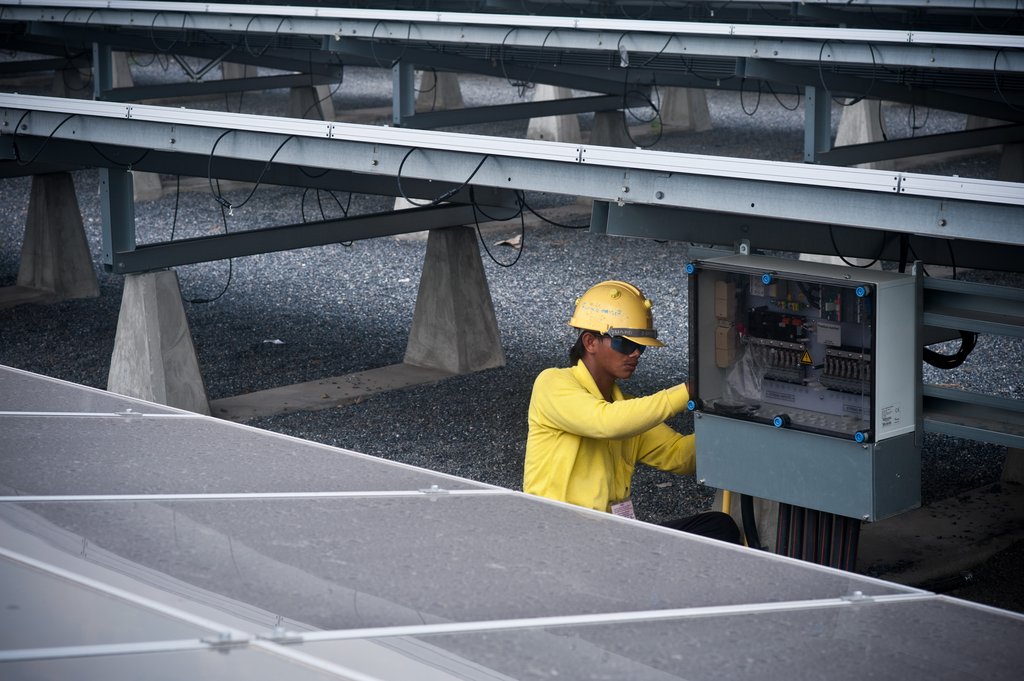
This analysis explores risks to migrant workers on renewable energy projects in Saudi Arabia. Using live tracking of projects in the country and interviews with Nepali and Bangladeshi workers in the supply chains of well-known multinationals, the report finds migrants on these projects are vulnerable to systemic human rights violations.
More on the rights of migrant workers in global supply chains
Other featured content
Engagement, remedy and justice: Priorities for the Corporate Sustainability Due Diligence Directive from workers in the Global South
A briefing outlining how the EU's new human rights due diligence law can promote the rights and needs of workers in EU supply chains.
KnowTheChain
A resource for companies and investors to address forced labour in global supply chains.
Trade and corporate accountability
News and analysis covering the overlap between international trade agreements and labour abuse.
Cover photo: Marcel Crozet / ILO